
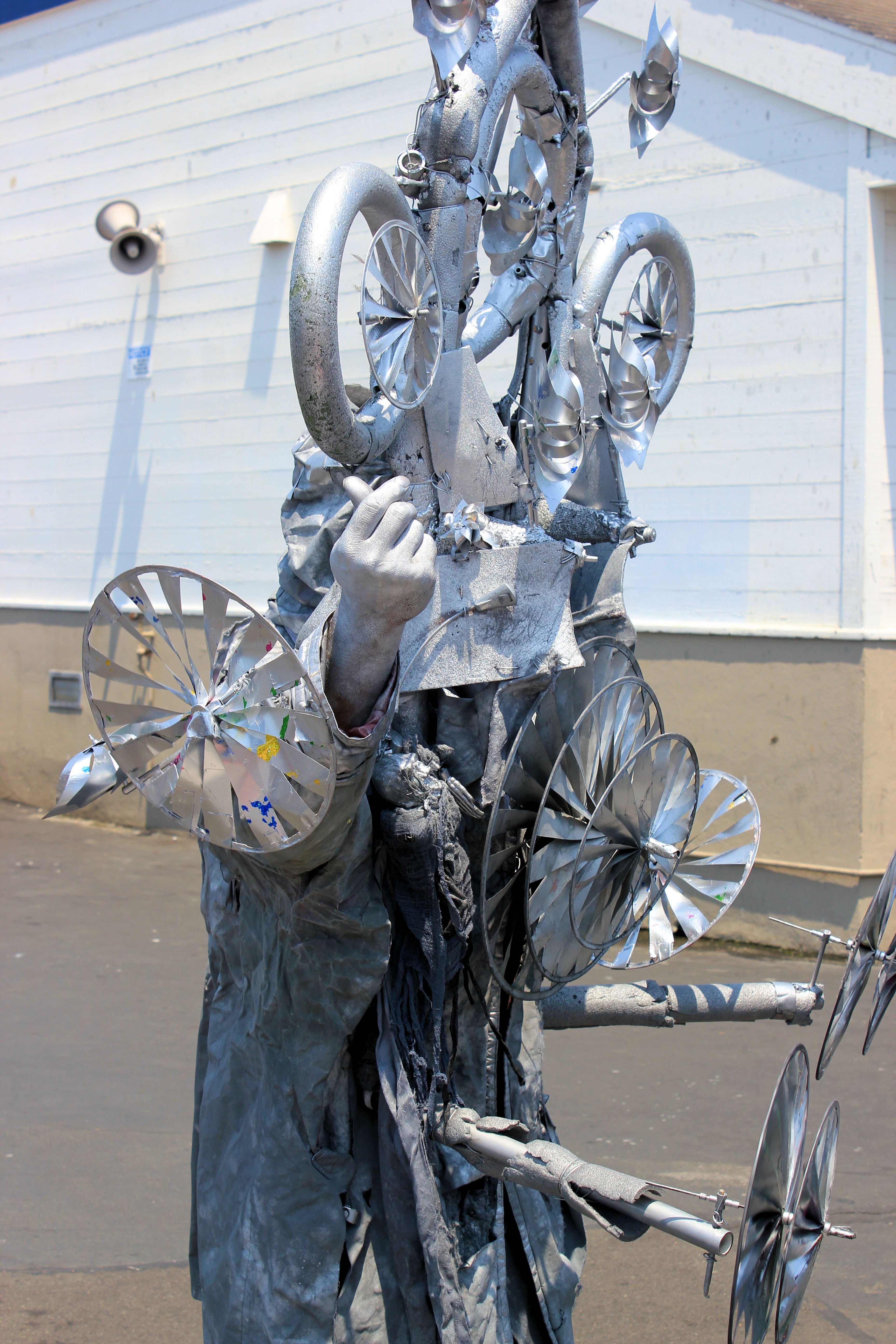
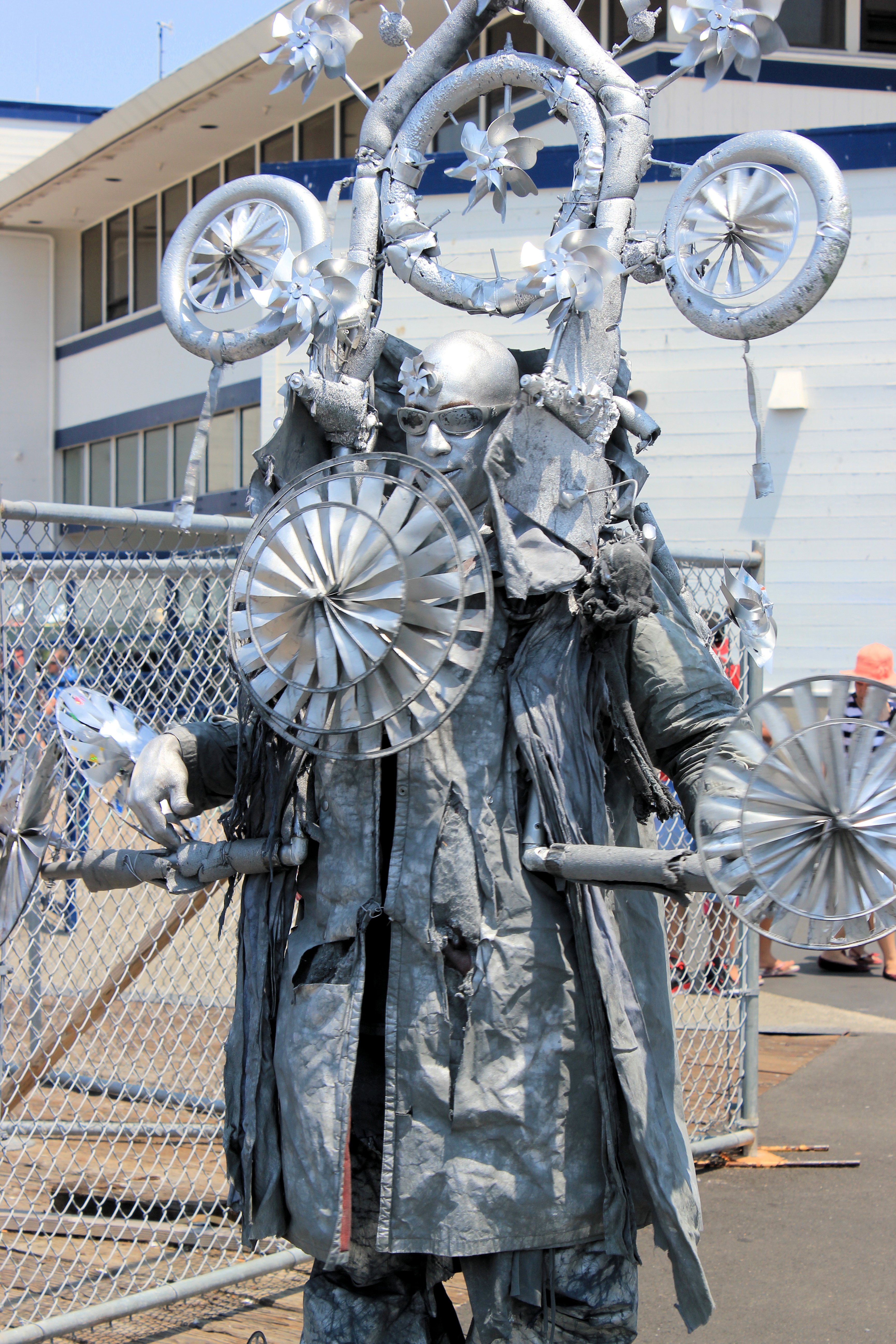
THE SILVER WIND MAN
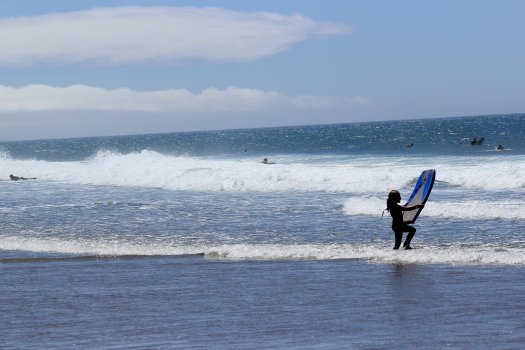
DANCING ON WATER
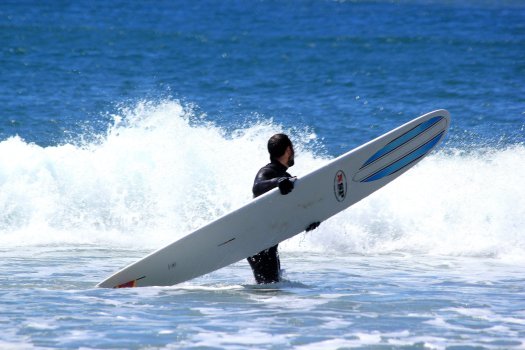
DANCING ON WATER
SPECIAL EFFECTS OF THE OREGON COAST
INTO THE WOODS
EYE OF THE CAMERA
I WROTE SOMETHING A FEW YEARS BACK WHEN I WAS GOING TO COLLEGE, I THOUGHT I WOULD SHARE THIS WITH WITH YOU AS I TAKE A SHORT BREAK FROM PUBLISHING MORE OF MY PHOTOGRAPHY.
PLEASE ENJOY
EYE OF THE CAMERA
By
ANTHONY M. PARENTE
There is nothing quite like still life photography, as it captures a moment in time which would otherwise be lost, never to be witnessed again. It can capture laughter and joy, love and compassion, or anger and hatred, sadness and abandonment. All these emotions and more can be forever captured in the eye of the camera.
It can capture a flower as it awakens in the morning dew and droplets of water bead to the opening song of the petal’s first embracing of the morning sun with its brilliance and awe.
It can capture the golden shimmer of water as the sun dances upon its ripples, forever flowing till its journey ends, cascading as a waterfall where it gently carves its memory into mother earth, then starting on its way to a new journey.
It can capture a child born to this world, nuzzling against its mother’s breast for the very first time as she glances down and their souls bond for all eternity.
It can capture the expression of a child on Christmas day, as eyes continue to widen as the wrappings fall upon the floor; in the background a tree shines brightly with lights and baubles wrapped around it and the snowflakes dance about the window outside.
It can capture a city from afar with its beauty and strength, especially in the moonlight with all its lights, like a picture perfect postcard to send to a friend. At a closer look it can capture the filth and the crime; an old wrinkled newspaper lies in a dark alley and beneath it lies an old wrinkled man with his abandonment and is forgotten by society.
It can capture an old abandoned cedar home with its shingles weather-beaten and gray. All the window panes of glass have long since gone, and the front door hangs slanted on one rusty hinge surrounded in overgrowth and brush, almost as being reclaimed by the surrounding woods. In the foreground is a vast field of weeds, where dreams of harvest lie dormant and all that lives is the field mouse. All this still holds beauty in the eye of the camera.
It can capture a man covered in blood, with his clothes all torn, being beaten and clubbed with hard, black nightsticks by officers of the law, as they shout and taunt the man to run, though they don’t know where the hatred came from except from the heat of the moment. Are they breaking the law they took an oath to defend, or has the eye of the camera portrayed something different?
It can capture lions in the tall African grass, on the hunt, stalking a herd of gazelles, slowly and cunningly awaiting the right moment to leap forth and attack its prey, then standing guard while other lions join in the daily gorge. Jackals gather around and buzzards sit perched in the nearby trees, waiting patiently for their turn at the kill.
It can capture a war where no one wins, and hatred and sadness are rampant. The lights in the distance of bombs and mortar fire grow brightly in the hours of dusk, and the cries of the people say no more. The buildings are in ruins and the shelters are full; the people are starving with nowhere to go. For what the camera captures here only time will tell. Will there be a tomorrow to show?
It can capture an old shipwreck of a Four Mast sailing ship in a New England bay, slowly being absorbed by its surrounding sea as the tides and seasons take their toll, shifting and breaking at its rotting hull, till one day all that s left is a plaque with its name on it where it finally rests, a photograph or two and some tall tales of what once was.
It can capture sports at their best, as before the sun starts to rise in dawn’s early hours, the scullers start prepping their bright red boats, checking over all their gear, then launching them through the thin line of fog that hovers over the river. Finally casting off within a glimpse of daylight, they quickly find synchronization to the heat of their captain’s voice commanding “stroke!, stroke!, stroke!” The reflection of the boat and sculls connect with their mirror images in the water, as if to race one another. All this can be found in the eye of the camera.
It can capture fireworks on the fourth of July, as the sun sets in the west and crowds of people gather nearby. Waiting for the finish of yet another beautiful summer’s day, the first flash of light jets into the sky, then another! and yet another!! climbs high, then finally bursting into a million lights in colors of blue, yellow, red and violet, sparkling and twinkling as they descend back to earth. Like a procession of shooting stars high in the sky streaming in all directions, their reflections are seen in everyone’s eyes. All this is captured with the camera’s eye.
As you can see there is nothing quite like still life photography, as it captures every moment in time. It can bring to life anything that would otherwise go unnoticed never to have its truth revealed. It can be very descriptive as if under a microscope, or just outline a subject that shows the surface with little depth. Either way it’s forever recorded in time and history for all to see and understand.
 space by ANTHONY M. PARENTE